
How Is Traditional Moroccan Chicken Pastilla Made?
If you have ever wondered how traditional Moroccan chicken pastilla in London is prepared, the answer begins with patience, carefully developed flavours and several distinct stages. This celebrated Moroccan pastry brings together tender spiced chicken, deeply caramelised onion, eggs, toasted almonds and delicate pastry. The result is a dish that combines savoury, gently sweet, aromatic and crisp elements in a way that is very different from an ordinary chicken pie.
Curious About The Finished Dish?
Once you understand what goes into traditional Moroccan chicken pastilla in London, the finished dish becomes even more interesting. Every component has a purpose, from the slow cooked chicken and caramelised onion to the delicate pastry and toasted almonds. If you would rather experience the finished dish than prepare all the components yourself, CinnaMint brings this Moroccan speciality to customers in London.
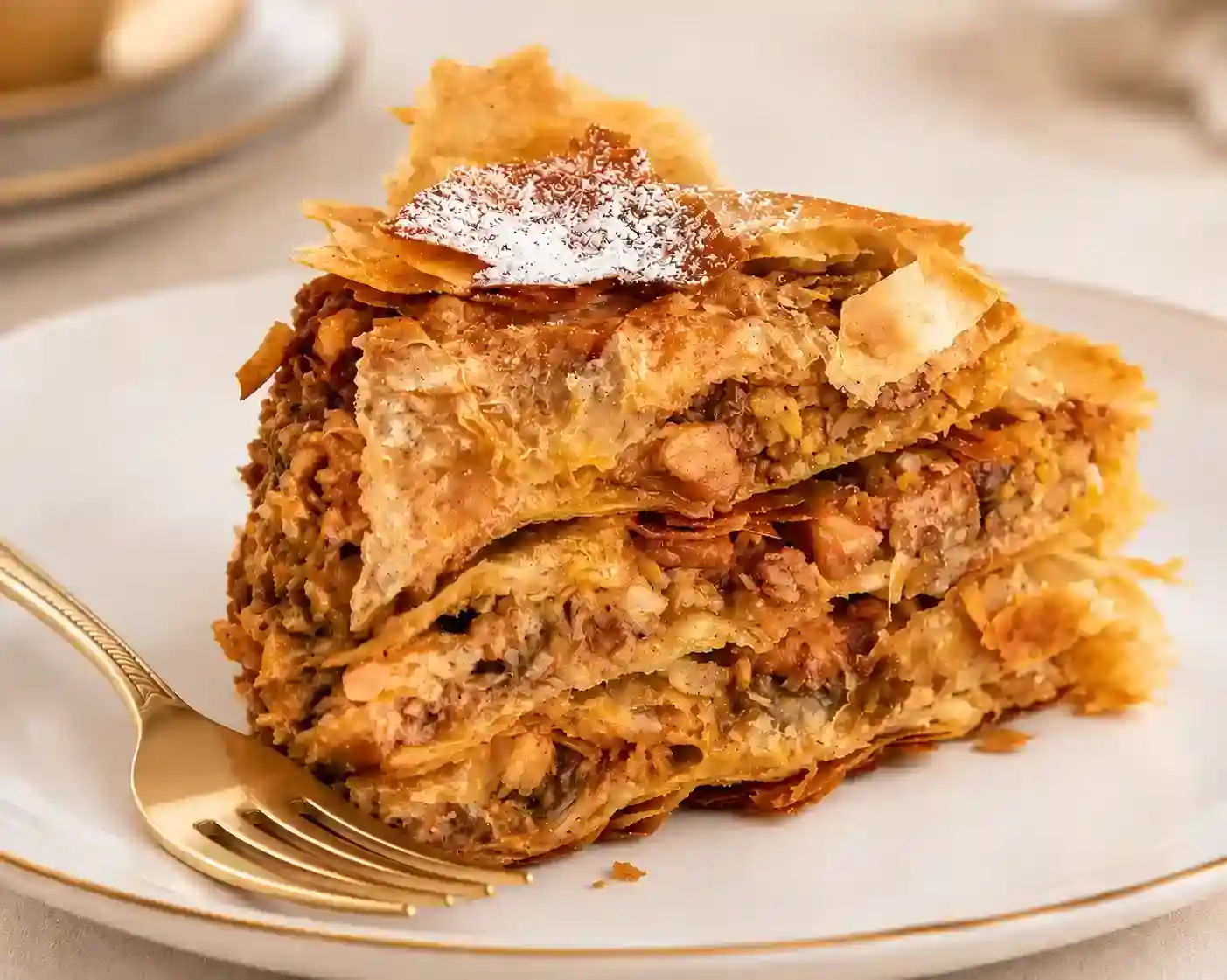
What Is Traditional Moroccan Chicken Pastilla?
Traditional Moroccan chicken pastilla in London is a pastry dish built around a richly flavoured chicken filling and a carefully assembled outer layer of thin pastry. It is often associated with hospitality and special occasions because the preparation involves several separate stages rather than simply placing a chicken mixture inside pastry.
The filling brings together chicken, onion, Moroccan spices, eggs and almonds. The pastry provides a delicate contrast to the moist filling, while cinnamon and icing sugar can introduce the characteristic sweet finish. The result is a dish where several flavours and textures appear in the same mouthful.
This balance is central to traditional Moroccan chicken pastilla in London and to the dish's wider identity. It is not simply a sweet pie and it is not simply a savoury chicken pie. The appeal comes from the way the savoury filling works with aromatic spices, toasted almonds, crisp pastry and a restrained sweet finish.
How Is Moroccan Chicken Pastilla Made?
Making traditional Moroccan chicken pastilla in London involves preparing the filling first, allowing its flavours to develop, preparing the almonds and pastry, then carefully assembling everything before baking. Each stage contributes something important to the finished dish.
| Stage | What happens |
|---|---|
| Chicken | Cooked slowly with onion and Moroccan spices until tender and deeply caramelised. |
| Eggs | Incorporated into the savoury filling with caramelised onion, creating the soft, rich texture inside the pastilla. |
| Almonds | Toasted and finely prepared to add a delicate crunch and nutty flavour. |
| Pastry | Thin, delicate Moroccan pastry is carefully arranged to create the crisp outer layers. |
| Assembly | The chicken, caramelised onion and egg filling is layered with the prepared almonds and enclosed in the pastry. |
| Baking | Baked until the pastry is crisp, golden and beautifully flaky. |
| Finishing | Finished with the traditional contrast of cinnamon and icing sugar before serving. |
1. Preparing The Chicken And Caramelised Onion
The heart of traditional Moroccan chicken pastilla in London begins with the chicken. Rather than relying on a plain chicken filling, the chicken is cooked with onion, spices and aromatic ingredients so that it becomes tender while absorbing the flavour around it.
The onion is particularly important. As it cooks slowly, it becomes soft and deeply caramelised, developing a natural sweetness that helps create the characteristic balance of the filling. This caramelised onion also gives the dish depth without requiring a heavy sauce.
Moroccan spices are added during the cooking process so their aromas become part of the chicken rather than simply sitting on the surface. Depending on the preparation, herbs and other fragrant seasonings can contribute additional layers of flavour.
Tender Chicken
The chicken needs to remain moist and tender so that it contrasts with the crisp pastry rather than becoming dry or crumbly.
Caramelised Onion
Slowly cooked onion brings sweetness, richness and depth to the savoury filling.
Moroccan Spices
Aromatic spices give the chicken its distinctive Moroccan character without overwhelming the other ingredients.
Slow Preparation
Giving the chicken and onion enough time to develop flavour is essential to the character of the finished pastilla.
2. Adding The Eggs To The Filling
One of the more unusual parts of traditional Moroccan chicken pastilla in London is the use of eggs within the filling. The eggs are incorporated with the caramelised onion and cooking juices, creating a soft, savoury layer that becomes part of the structure of the finished dish.
This stage helps explain why Moroccan chicken pastilla has such a distinctive texture. The egg is not simply added as a separate topping. It becomes integrated with the aromatic onion and chicken mixture, giving the filling richness and softness.
Once the chicken and egg components come together, the filling needs to be handled carefully. It should have enough moisture and flavour to remain succulent, but it should not be so wet that it compromises the delicate pastry during assembly and baking.
The Filling Should Be Moist, Not Wet
This distinction matters. A good pastilla has a moist and succulent centre while the pastry remains crisp. Too much moisture can make delicate pastry lose its texture, while a filling that is too dry creates a very different eating experience.
3. Preparing The Almonds
Almonds bring another important element to traditional Moroccan chicken pastilla in London. They provide a toasted, nutty flavour and a subtle crunch that contrasts with the tender chicken and soft egg mixture.
The almonds are prepared separately before being incorporated into the pastilla. Their texture matters because they should complement the pastry rather than compete with it. Finely prepared toasted almonds distribute their flavour throughout the dish and help create the layered character associated with Moroccan pastilla.
The combination of almonds and cinnamon is also part of what gives the dish its recognisable identity. Together, they help bridge the savoury chicken filling and the gently sweet finish.
4. Preparing The Delicate Pastry
The pastry is one of the most visually obvious features of traditional Moroccan chicken pastilla in London. It needs to be thin enough to create delicate layers but strong enough to contain the filling during assembly.
Working with thin pastry requires care. It can dry out quickly, tear during handling or become too thick if too many layers are used without thought. The aim is a pastry shell that becomes crisp and golden during baking while remaining light enough to complement the filling.
This is one reason the finished dish can be quite different from a conventional chicken pie. The pastry is not intended to be thick or heavy. It is there to create a delicate, crisp contrast around the aromatic filling.
5. Layering The Chicken Pastilla
Once the components are prepared, the pastilla can be assembled. The pastry is arranged carefully so that it forms a complete outer layer while leaving enough structure to hold the chicken, caramelised onion, egg and almond filling securely inside.
The filling is placed into the pastry in layers, allowing the different components to remain noticeable when the pastilla is cut. This is important because the dish is as much about contrast as it is about flavour.
Outer Layer
Thin pastry creates the delicate shell that becomes crisp and golden during baking.
Chicken And Onion
Tender chicken and deeply caramelised onion form the main savoury foundation.
Egg
Soft egg incorporated with the onion adds richness and helps create the characteristic filling texture.
Almonds
Toasted almonds add nuttiness and a gentle textural contrast within the soft filling.
6. Baking Until Crisp And Golden
Baking brings the separate components together. The pastry gradually becomes crisp and golden while the enclosed filling warms through, creating the contrast that makes traditional Moroccan chicken pastilla in London so satisfying.
The pastry should be visibly golden rather than pale, with enough crispness to provide a delicate crack when cut. At the same time, the chicken filling should remain moist and tender inside.
This contrast between crisp pastry and succulent filling is one of the defining characteristics of Moroccan pastilla. It is also why the dish is best appreciated as a complete combination rather than by considering the pastry and filling separately.
7. The Traditional Sweet Finish
After baking, traditional Moroccan chicken pastilla in London can be finished with a delicate dusting of icing sugar and cinnamon. This may seem surprising if you have never tasted pastilla before, but it is precisely this gentle sweet element that creates one of the dish's most distinctive contrasts.
The sugar and cinnamon do not need to turn the pastilla into a dessert. Instead, they complement the savoury chicken, caramelised onion and toasted almonds. The result is a dish that moves between savoury and gently sweet flavours without becoming dominated by either one.
Why The Sweet And Savoury Contrast Works
The caramelised onion already brings natural sweetness to the filling. Toasted almonds add richness, cinnamon contributes warmth and the final touch of icing sugar creates a delicate sweet note against the savoury chicken. The pastry then brings everything together with its crisp texture.
What Does Traditional Moroccan Chicken Pastilla Taste Like?
The first impression is often the crispness of the pastry. Once the pastry gives way, the filling brings tender chicken, caramelised onion and aromatic spices, followed by the richness of egg and the nutty character of almonds.
Cinnamon and the delicate sweet finish add another layer. This combination can feel unexpected to someone who has only encountered savoury chicken pies, but it is part of what makes traditional Moroccan chicken pastilla in London so memorable.
Savoury
Tender chicken, aromatic spices and caramelised onion create the foundation of the filling.
Gently Sweet
Caramelised onion, cinnamon and a light finishing touch create a subtle sweetness.
Aromatic
Moroccan spices, herbs and fragrant ingredients give the dish its distinctive character.
Textural
Crisp pastry, tender chicken, soft egg and toasted almonds create several textures in one bite.
Why Is Making Pastilla More Involved Than Making A Chicken Pie?
At first glance, both dishes may appear to be pastry filled with chicken. The preparation, however, is quite different. Traditional Moroccan chicken pastilla in London depends on several components being prepared separately and then brought together with precision.
The chicken must be properly seasoned and cooked until tender. The onion needs time to caramelise. The eggs need to be incorporated into the savoury mixture. The almonds need to be toasted and prepared. The pastry must be handled carefully, and the final assembly needs to protect the filling while allowing the outer layers to become crisp during baking.
None of these steps is particularly complicated on its own. The challenge is bringing them together so that the finished pastilla has the right balance of moisture, crispness, sweetness, savouriness and aroma.
Why The Texture Matters So Much
A memorable traditional Moroccan chicken pastilla is not only about flavour. Texture is equally important. The first bite should give way to crisp pastry before reaching the soft and succulent filling.
Inside, the chicken should feel tender rather than dry. The caramelised onion and egg provide softness, while almonds introduce a subtle contrast. The pastry then returns to the experience with its delicate crispness.
This is why pastilla rewards careful preparation. If the pastry is too thick, the dish can feel heavy. If the filling is too dry, the contrast disappears. If the filling is too wet, the pastry can lose its crispness.
Traditional Moroccan Chicken Pastilla And Moroccan Food In London
For people exploring traditional Moroccan chicken pastilla in London, the dish offers an opportunity to experience a side of Moroccan cuisine that goes beyond the familiar tagine. Its preparation, flavour balance and presentation make it particularly distinctive.
Moroccan food has become part of London's remarkably varied food culture, giving diners opportunities to explore dishes that go far beyond the familiar idea of a tagine. Traditional Moroccan chicken pastilla in London is particularly interesting because its preparation, flavour balance and presentation are so distinctive.
For someone exploring Moroccan food in London for the first time, pastilla can be an excellent introduction to the country's use of aromatic spices, herbs, nuts, pastry and contrasting sweet and savoury flavours.
It also demonstrates something important about Moroccan cooking. A dish does not need to rely on intense heat to be full of flavour. The character can come from slow cooking, caramelisation, fragrant spices, toasted ingredients and carefully balanced sweetness.
The Moroccan National Tourist Office's gastronomy information provides useful background for anyone interested in exploring the wider traditions and flavours of Moroccan cuisine.
Why Pastilla Is Often Associated With Special Occasions
The amount of preparation involved helps explain why pastilla has traditionally been associated with hospitality, celebrations and occasions where food is given particular attention.
Preparing the filling, almonds and pastry separately and then assembling the finished dish takes considerably more care than preparing a simple everyday meal. The finished pastilla can therefore feel like a dish made to be noticed and shared.
That sense of occasion is still part of its appeal today. Whether enjoyed as part of a Moroccan meal or discovered as a new dish in London, pastilla offers an experience that feels quite different from an everyday pastry.
How To Enjoy Moroccan Chicken Pastilla
Pastilla is best enjoyed when the pastry is still crisp and the filling is warm and succulent. Cutting into the golden pastry reveals the different layers inside, making the dish as visually appealing as it is aromatic.
For anyone discovering traditional Moroccan chicken pastilla in London, the first bite is an opportunity to appreciate how the separate elements work together. Crisp pastry gives way to tender chicken, caramelised onion and egg, followed by toasted almonds and the gentle warmth of cinnamon.
It can be served as a substantial main dish or as part of a broader Moroccan meal. Its combination of chicken, egg, almonds and pastry means that it already contains considerable variety, so it does not need complicated accompaniments to make an impression.
For diners who are new to Moroccan cuisine, tasting the pastilla alongside other Moroccan dishes can also make its character easier to appreciate. Compared with a tagine, which is generally defined by slow cooked ingredients and a rich sauce, pastilla is built around pastry, texture and contrast.
What Makes A Well Made Pastilla Different?
The difference becomes especially clear when considering traditional Moroccan chicken pastilla in London as a complete dish rather than simply as a pastry filled with chicken.
Balanced Filling
The chicken, caramelised onion and egg should work together rather than allowing one ingredient to dominate.
Properly Crisp Pastry
The outer layers should be delicate, golden and crisp without becoming heavy or overly thick.
Toasted Almond Character
Almonds provide nuttiness and texture that complement the tender filling.
Sweet And Savoury Harmony
Cinnamon and the delicate sweet finish should complement the savoury chicken rather than overpower it.
Experiencing Traditional Moroccan Chicken Pastilla Without Making It From Scratch
Reading through the preparation makes one thing clear: traditional Moroccan chicken pastilla in London is a dish of many small details. The finished pastry may look simple when it arrives at the table, but beneath the golden surface are layers of carefully prepared ingredients.
That is part of the pleasure of ordering a traditionally prepared dish. Instead of spending time preparing each component, handling delicate pastry and assembling the pastilla, you can concentrate on the experience of eating it.
For anyone looking for Moroccan food in London, this can be an especially enjoyable way to discover the dish. The crisp pastry, tender chicken, caramelised onion, egg, almonds, cinnamon and fragrant finish can all be experienced together in the way the dish is intended to be enjoyed.
Taste The Dish You Have Just Learned About
Traditional Moroccan chicken pastilla in London takes time, care and attention to detail. If the combination of crisp pastry, tender chicken, caramelised onion, egg, almonds and aromatic Moroccan flavours has made you curious, you can explore the finished dish from CinnaMint.
Explore Moroccan Chicken PastillaFrequently Asked Questions About Traditional Moroccan Chicken Pastilla
Traditional Moroccan chicken pastilla in London is a layered pastry dish filled with tender spiced chicken, caramelised onion, eggs and almonds. It is known for combining savoury and gently sweet flavours with delicate crisp pastry.
The chicken is cooked slowly with onion and Moroccan spices until tender and deeply flavoured. Eggs are incorporated with the caramelised onion, almonds are toasted and prepared, and the components are enclosed in delicate pastry before the pastilla is baked until crisp and golden.
It is both. The main filling is savoury and aromatic, while caramelised onion, cinnamon and a light finishing touch of icing sugar create the characteristic gentle sweetness found in traditional Moroccan chicken pastilla in London.
A traditional chicken pastilla can contain chicken, caramelised onion, eggs, almonds, Moroccan spices, herbs and delicate pastry. Cinnamon and icing sugar may be used for the traditional finishing contrast.
Pastilla combines a delicate crisp pastry with a richly seasoned chicken, onion and egg filling, toasted almonds and a subtle sweet finish. The contrast between savoury and gently sweet flavours is one of its defining characteristics.
Moroccan chicken pastilla is generally aromatic rather than defined by strong chilli heat. Its flavour comes from carefully balanced spices, herbs, caramelised onion, almonds and the other ingredients in the filling.
Several components need to be prepared separately before the pastilla can be assembled. The chicken and onion need to develop flavour, the egg needs to be incorporated correctly, the almonds need to be prepared and the delicate pastry needs careful handling.
If you are looking for traditional Moroccan chicken pastilla in London, CinnaMint offers the finished dish for customers who want to experience its crisp pastry, tender chicken, caramelised onion, egg, almonds and aromatic finishing flavours.
Learn More About Moroccan Food
If you want to explore the wider food culture behind traditional Moroccan dishes, the Moroccan National Tourist Office's food and drinks guide provides further background on Moroccan culinary traditions.
London also has a long established food and market culture. The Greater London Authority's information about London's markets offers useful context for understanding the city's diverse food landscape.
For broader information about London's food markets and food culture, you can also explore VisitBritain's guide to London's markets.
CinnaMint brings Moroccan food to London, offering dishes inspired by the flavours, ingredients and culinary traditions of Morocco.